Lower Eyelid Surgery
What is Lower Eyelid Surgery?
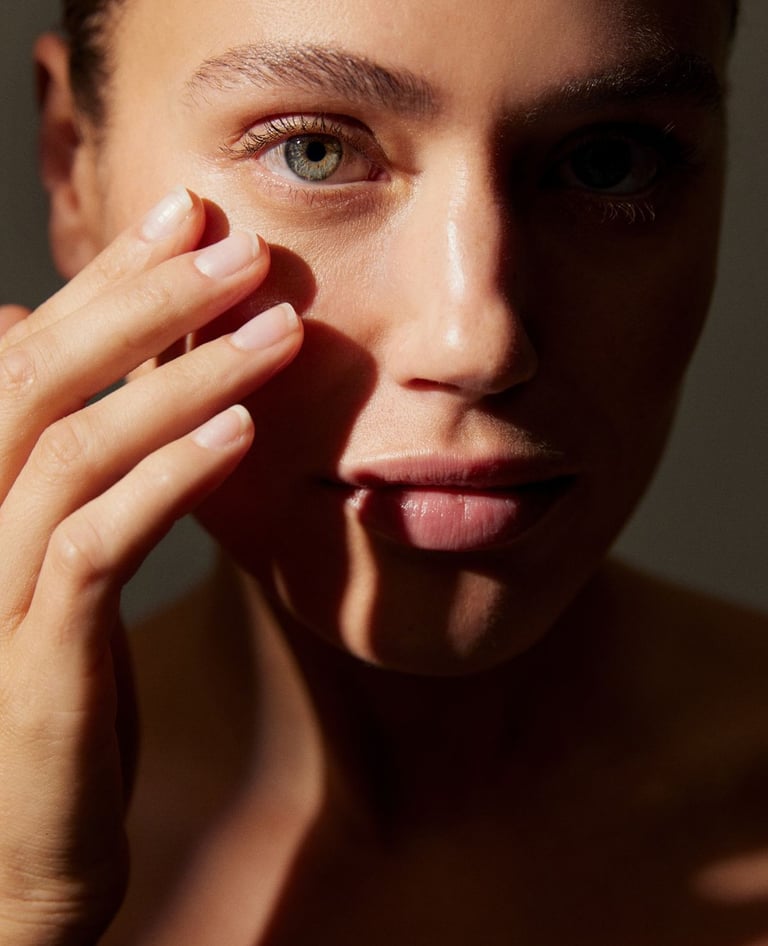
Lower Eyelid surgery, or lower blepharoplasty, is a aesthetic procedure designed to remove excess skin, fat, and tissue from the lower eyelids. Over time, the delicate skin around the eyes can stretch and sag, causing droopy eyelids, under-eye bags, and a tired or aged appearance. In some cases, it can cause dry eyes and may even affect vision. Blepharoplasty can refresh your eyes, making them appear more youthful, alert, and rejuvenated.

Key points
Duration of the surgery
1 h - 1,5 hours
Anaesthesia
General or Local
Recovery period
7 days
Clinic stay
Day case
Who Is Suitable for Eyelid Surgery?
Blepharoplasty is ideal for patients who:
Have excess skin or fat bags under the eye area.
Wish to improve the appearance of tired or droopy eyes.
Have skin folds that may impair peripheral vision.
There is no strict age limit for eyelid surgery, as excess skin can be hereditary or age-related.
Types of Blepharoplasty
Upper Eyelid Surgery: removes excess skin and sometimes fat from the upper eyelids to open up the eyes and restore a natural crease.
Lower Eyelid Surgery: excess fat and skin are removed or repositioned to reduce puffiness and under-eye bags.
Combined Eyelid Surgery: both upper and lower eyelids can be treated in one procedure for maximal rejuvenation.
Many patients choose Combined Eyelid Surgery for comprehensive eyelid rejuvenation.
What to Expect During Your Consultation
During your consultation, your surgeon will:
Review your medical history and previous surgeries.
Examine the eyelid area and discuss your aesthetic and functional goals.
Explain the procedure, expected outcomes, and risks.
Discuss whether combined procedures, such as a brow lift or midface lift, may be beneficial.
Transparency and open communication help ensure the best results.
Preparing for Surgery
Your preoperative plan may include:
Avoiding medications or supplements that increase bleeding risk.
Preoperative tests, if required.
Planning at least one week off work for recovery.
Arranging transportation and support for the day of surgery.
The Surgery
Blepharoplasty is typically performed under local anaesthesia with sedation or general anaesthesia. Surgery generally takes 1–2 hours, depending on the complexity and whether both upper and lower eyelids are treated.
The procedure involves:
Making precise incisions along natural creases or inside the eyelid
Removing or repositioning excess fat and skin
Closing the incision with sutures and applying protective dressings
Recovery
Immediate Post-Op
Most patients go home the same day.
Swelling, bruising, and mild discomfort are normal.
Ice packs and prescribed medications help reduce swelling, bruising and manage discomfort.
First Two Weeks
Keep the head elevated during sleep.
Avoid strenuous activity and contact lenses.
Maintain eye hygiene and follow wound care instructions.
Long-Term Recovery
Full results may take 2-3 months to appear.
Scars initially red will gradually fade to fine, white lines.
Vision and comfort are typically improved if excess skin was obstructing sight.
Benefits of Blepharoplasty
Rejuvenates the appearance of the eyes, making them look more youthful and alert.
Reduces droopy eyelids and under-eye bags.
Often combined with other facial rejuvenation procedures for optimal results.
Risks and Complications
Blepharoplasty is generally safe, but potential risks include:
Swelling, bruising, and temporary dry or watery eyes.
Chemosis or conjunctivitis (usually temporary).
Infection, bleeding, or delayed healing (rare).
Scarring or asymmetry (typically minimal).
I will walk you through all risks during your consultation to ensure you are well-informed.
Lower Eyelid Surgery Before/After
Breast Augmentation
Breast Augmentation
Breast Augmentation
Lower Eyelid Surgery FAQs by Plastic Surgeon Žygimantas Mačys
01 | What is a transconjunctival blepharoplasty?
A transconjunctival blepharoplasty is ideal for patients who have lower eyelid fat pockets but do not need excess skin removal. The incision is made inside the lower eyelid, leaving no visible scar on the skin surface. This technique is often used for younger patients with firm, elastic skin and is usually performed under general anaesthetic. The procedure involves removing fat through a tiny internal incision, which is closed with dissolving sutures. Sometimes laser treatment is added to help reduce fine wrinkles.
02 | Will I be awake during eyelid surgery?
Lower lid surgery generally requires a general anaesthetic, while upper lid surgery is commonly performed under local anaesthetic. With local anaesthetic, the area around your eyes is numbed, and sedatives help you feel relaxed throughout the procedure. And with a general anaesthetic, you are asleep.
03 | Where will my scars be after lower blepharoplasty surgery?
After lower blepharoplasty surgery, the incisions are positioned carefully just under the lower eyelashes. Most patients find that others cannot see any signs of surgery. This discreet incision design is one of the advantages of lower blepharoplasty. However, if it's a transconjunctival approach, incisions are not seen at all, because they are made through the inner part of the eye.
04 | Can eye lid surgery completely remove under eye bags?
Eye lid surgery can rejuvenate the appearance of your under-eye area, but it cannot completely remove under eye bags in every case. The aim is to improve puffiness and smooth the contour rather than totally eliminate them. The results achievable depend on your anatomy, skin quality, and the cause of the under-eye bags. During your free consultation, I will assess your concerns and explain what level of improvement you can expect. You will receive clear, realistic guidance tailored to your situation.
05 | Will I look natural after eyelid surgery?
Yes, my approach to eyelid surgery is always focused on achieving a natural look. The goal is to refresh your appearance so that you look like a rejuvenated version of yourself, not noticeably altered. Care is taken to avoid overcorrection and to maintain the natural shape and character of your eyes. Most patients are pleased with how subtly the results blend with their features. You can feel confident that your final appearance will remain natural.
06 | I don’t want people to know I’ve had eye lid surgery, will it be obvious?
Once your blepharoplasty scars have fully healed, there should be no visible signs of eye lid surgery. The natural shape of your eyes generally stays the same, helping the results appear subtle and undetectable. Most people simply look refreshed rather than noticeably altered. Patients often find that others comment on how well-rested they appear rather than suspecting they’ve had surgery. The goal is always a discreet, natural enhancement.
07 | What is the difference between upper bleph and lower blepharoplasty?
Upper blepharoplasty (upper bleph) focuses on removing excess skin and fat from the upper eyelids to improve hooding and heaviness. Lower blepharoplasty, on the other hand, targets puffiness or bags beneath the eyes. Each procedure addresses a different part of the eyelid and is chosen based on your specific concerns. Some patients benefit from having both procedures together for a more complete rejuvenation. Your consultation will determine which option is most suitable for your goals.
05 | Am I a good candidate for Eyelid surgery?
To determine if you are a good candidate for eyelid surgery, you will need to attend an initial consultation. During our consultation, I will assess your eyes and face and discuss your goals in detail. You should be physically fit, psychologically stable, and have realistic expectations. While most blepharoplasty patients are 35+, younger individuals with hereditary droopy or baggy eyelids may also benefit. Excess skin, muscle, or underlying fat can be removed during surgery, and if only fat needs addressing, a transconjunctival blepharoplasty may be recommended.
Considering Lower Eyelid Surgery in Manchester, UK?
Book your free consultation with me at Transform Clinic.