Abdominoplasty (Tummy Tuck)
What is Abdominoplasty?
A tummy tuck, or abdominoplasty, is a surgical procedure that tightens, flattens, and smooths the abdominal area. During the operation, a plastic surgeon removes excess skin and fat and restores firmness to the abdominal muscles. In some cases, liposuction is also performed to further refine the contour. While a tummy tuck is not a weight-loss treatment, it can dramatically improve the shape and tone of your abdomen after significant changes in your body, such as pregnancy or weight loss.
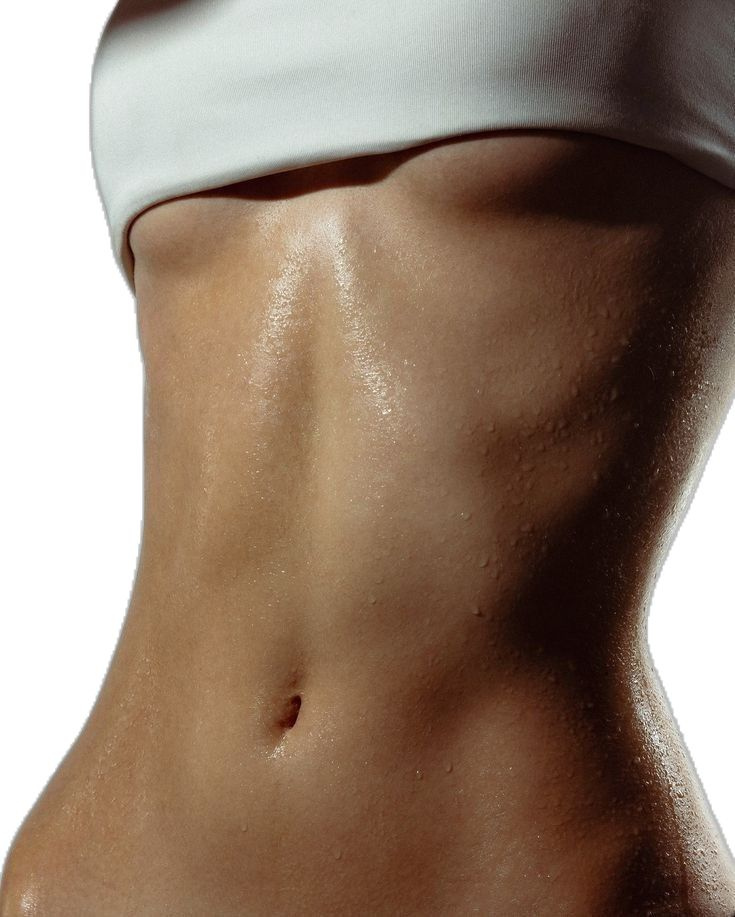
Key points
Duration of the surgery
1,5- 3 hours
Anaesthesia
General
Recovery period
1-2 weeks
Clinic stay
1 overnight stay
What Does a Tummy Tuck Achieve?
Even with consistent exercise and a balanced diet, many people find that stubborn loose skin or weakened abdominal muscles persist. A tummy tuck can correct these concerns, helping you achieve a flatter, smoother abdominal contour.
You may consider abdominoplasty after:
Major weight loss.
Pregnancy.
Previous abdominal surgery.
Age-related skin laxity.
Types of Tummy Tuck Surgery
Your surgeon will recommend the most suitable approach based on your anatomy and goals. Common types include:
Full (Standard) Abdominoplasty
A full tummy tuck involves an incision made across the lower abdomen, just above the pubic area. This allows your surgeon to remove excess skin and fat and tighten the abdominal wall. The length of the incision depends on how much skin needs to be removed.
Mini Abdominoplasty
A mini tummy tuck focuses on the lower abdomen, below the belly button. It involves a smaller incision and is ideal for patients with limited skin laxity. In most cases, there is no incision around the belly button.
Extended or Circumferential Abdominoplasty (360 Tummy Tuck)
This technique addresses the entire midsection — the abdomen, flanks, and lower back. The incision extends around the torso to reshape and lift the body from all angles, making it especially beneficial for patients after major weight loss.
Fleur-de-Lis Abdominoplasty
This version is suitable for patients who have lost a significant amount of weight and have both vertical and horizontal excess skin. The incision pattern forms an inverted “T,” allowing the surgeon to tighten the abdomen in two directions. This technique is most suited for weight loss patients.
How Common Is a Tummy Tuck?
Abdominoplasty is one of the most popular body contouring surgeries performed worldwide. Thousands of patients each year choose it to restore confidence and comfort after major life changes such as childbirth or weight loss.
Who Is a Good Candidate for a Tummy Tuck?
An ideal candidate for tummy tuck surgery should:
Be in good general health.
Be at or near a stable weight.
Avoid smoking or be willing to stop before and after surgery.
Not plan future pregnancies.
Have realistic expectations.
Although results are long-lasting, weight fluctuations can alter your outcome over time. It’s best to have the procedure once your weight and family plans are stable.
Preparing for a Tummy Tuck
Before surgery, you’ll meet with your surgeon for a detailed consultation. During this visit, they will review:
Your medical history and current health.
Any previous surgeries.
Medications or supplements you take.
Your expectations and goals.
Your surgeon will take clinical photographs and discuss the most suitable procedure type. You’ll also receive preoperative advice, such as:
Stop smoking several weeks before and after surgery.
Eat nutritious protein meals to support healing.
Avoid blood-thinning medications and certain supplements as advised.
Arrange help for the first few days of recovery.
During the Procedure
Tummy tuck surgery is performed under general anaesthesia. It may be done as a day case or require an overnight hospital stay, depending on the extent of surgery.
The procedure generally includes:
Making an incision along the lower abdomen (and around the navel if necessary).
Removing excess skin and fat.
Tightening the abdominal muscles.
Repositioning the belly button if needed.
Closing the incisions and applying dressings.
Inserting small drains to remove excess fluid (in some cases).
Surgery typically lasts between 1 and 3 hours, depending on complexity.
Recovery After a Tummy Tuck
After surgery, you’ll feel some tightness and soreness in your abdomen — this is normal and will gradually improve. Pain medication and supportive garments will help with comfort and swelling.
Key recovery guidelines include:
Avoid strenuous activity for 4–6 weeks.
Walk gently to aid circulation and healing.
Take at least 1-2 weeks off work (more if your job is physically demanding).
Attend all postoperative reviews with your surgeon.
You’ll see noticeable improvement immediately, but final results develop gradually as swelling subsides over several months. Scars fade with time and are positioned low enough to be hidden by clothing.
Benefits of a Tummy Tuck
A tummy tuck can help you:
Achieve a smoother, firmer abdominal contour.
Remove excess skin and fat.
Tighten weakened muscles.
Improve posture and comfort.
Enhance confidence in your appearance.
Risks and Considerations
As with all surgical procedures, a tummy tuck carries some risks, including:
Scarring.
Swelling or bruising.
Infection.
Hematoma (collection of blood).
Fluid buildup (seroma).
Delayed healing, necrosis, wound dehiscence.
Numbness or altered sensation.
Asymetry.
DVT/PE.
Your surgeon will discuss these risks in detail and provide clear postoperative instructions to reduce complications and support your recovery.
How Long Do Results Last?
The results of a tummy tuck are long-lasting, provided you maintain a stable weight and a healthy lifestyle. While the natural ageing process continues, most patients enjoy a flatter, more toned abdomen for the rest of their lives.
When to Contact Your Surgeon
Contact your surgical team immediately if you experience:
Excessive bleeding or severe pain.
Increased swelling or redness.
Discharge from incision sites.
Fever or other signs of infection.
Final Thoughts
It’s natural to want to look and feel your best, especially after significant body changes. A tummy tuck can restore firmness and contour to your abdomen, helping you regain comfort and confidence. With expert surgical care and a well-planned recovery, most patients are delighted with their long-term results.
Abdominoplasty Cost in the UK?
The cost of tummy tuck surgery in the UK varies depending on the complexity of your case and the specific type of procedure, whether it’s a mini, standard (regular), extended, Fleur-de-Lis (FDL) or 360 Tummy tuck abdominoplasty.
Additional procedures, such as: liposuction or additional breast surgery, may also influence the overall price. During your consultation, either I or one of our experienced patient advisors will discuss your goals, explain the available options, and provide you with a clear, personalised treatment plan.
Typically, the price for abdominoplasty surgery ranges between £7,500 and £13,500, depending on your individual needs and surgical plan.
Abdominoplasty Before/After
Breast Augmentation
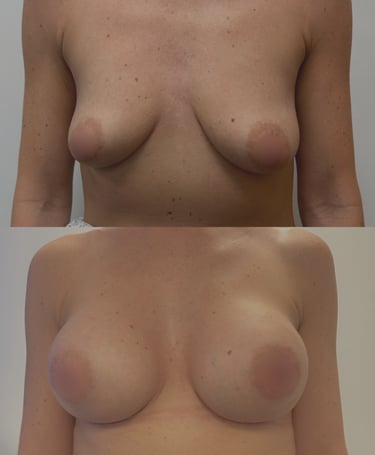
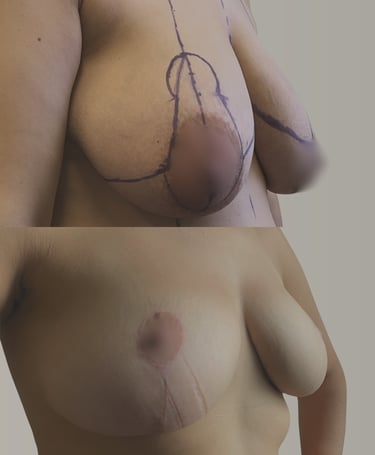
Breast Augmentation
Breast Augmentation
Abdominoplasty FAQs by Plastic Surgeon Žygimantas Mačys
01 | Will there be scarring after my Tummy Tuck surgery?
Yes — some scarring is expected after a tummy tuck. The incision typically runs across the lower abdomen, from hip to hip, and around the belly button. Your surgeon will carefully position it low enough to be hidden beneath your underwear or swimwear.
Over time, the scar will fade significantly — usually taking up to 12 months to settle — although it won’t disappear completely. During your consultation, your plastic surgeon will show you examples and explain scar management options to help it heal as discreetly as possible.
02 | What should I eat after tummy tuck surgery?
Proper nutrition and hydration are key for a smooth recovery.
In the month before surgery, focus on a protein-rich diet with plenty of vitamin C to boost healing.
Stay well hydrated one week before and after your tummy tuck.
After surgery, eat light, high-fibre foods like fruits and prunes, and avoid foods that cause constipation such as white flour, rice, and pasta.
Include protein, vitamin C, and zinc to support wound healing and reduce inflammation.
Avoid alcohol and processed foods for at least one month before and after surgery for the best results.
03 | Do I need to stop taking my medication before tummy tuck surgery?
Please inform your surgical team about any medications or supplements you are taking.
You may need to stop certain drugs — particularly aspirin or blood thinners — to reduce the risk of bleeding.
After surgery, take all prescribed antibiotics and pain medication as directed. If you experience constipation (a common side effect), you can use a mild over-the-counter laxative if needed.
04 | What activities can I do after tummy tuck surgery?
For the first week, keep your movements gentle to avoid bleeding or strain — but don’t stay immobile. Light walking is encouraged to reduce the risk of deep vein thrombosis (DVT).
Sleep with your knees bent and upper body slightly elevated to reduce tension on your incision. Avoid stretching, lifting, or intense activity for 4–6 weeks, and follow your surgeon’s post-op guidance closely for best results.
05 | When will my dressings be removed after tummy tuck surgery?
Dressings are typically removed during your first follow-up visit, about 2–3 weeks after surgery.
Most tummy tuck incisions are closed with dissolvable sutures, so you won’t need them taken out. Avoid soaking the wound or getting it wet until your wounds are fully healed— after that, showers are fine, but baths should be avoided for 4–6 weeks.
06 | Can I smoke after tummy tuck surgery?
You should avoid smoking and all nicotine products (including vapes and patches) before and after surgery, as they significantly reduce blood flow to the healing tissue. Smoking increases the risk of wound complications such as wound dehiscence, necrosis and delays recovery.
07 | Can I drive after tummy tuck surgery?
You can drive again once you’re comfortable, fully mobile, and able to perform an emergency stop safely — typically 2 to 3 weeks after surgery. Recovery varies between patients, so listen to your body and always check with your surgeon first.
You should also inform your car insurance provider before resuming driving after an operation.
09 | How long does tummy tuck surgery take?
A tummy tuck procedure usually takes between 1,5 to 3 hours, depending on the complexity and whether it’s combined with other procedures such as liposuction or breast surgery.
12 | Can a tummy tuck be combined with other procedures?
Yes. Many patients combine abdominoplasty with liposuction, breast augmentation, or breast lift surgery, a combination often referred to as a Mummy Makeover.
This approach helps restore the body’s shape and confidence after pregnancy or major weight loss, reducing overall recovery time and providing balanced results.
11 | Is tummy tuck recovery painful?
You can expect some discomfort and tightness for the first few days after surgery, which can be managed effectively with prescribed pain relief.
Swelling and bruising are normal and will gradually improve over 6–8 weeks. Keeping your upper body slightly elevated and placing pillows under your knees helps reduce tension on your abdomen and improves comfort during recovery.
10 | Are there any other after-effects I should expect?
You may have surgical drains in place to prevent fluid build-up — these are usually removed before you leave the clinic or during your first review.
Mild numbness, fatigue, or tightness are common for the first few weeks. Most patients feel more like themselves within 2–3 weeks, but full recovery can take a few months as your body heals internally.
08 | When can I return to work after tummy tuck surgery?
Most patients take 1 to 2 weeks off work, depending on the nature of their job and individual recovery.
If you work at a desk or in an office, you may return sooner. However, if your job involves physical activity, lifting, or prolonged standing, you may need extra time before resuming full duties (it might be even 3-4 weeks). Light tasks are recommended initially to avoid strain and ensure optimal healing.
14 | What should I do if I have concerns after tummy tuck surgery?
If you experience any of the following after your tummy tuck, contact your clinic immediately:
Fever over 38°C.
Severe pain not controlled by medication.
Persistent vomiting or dizziness.
Excessive bleeding or leaking dressings.
Signs of infection (such as redness, heat, or pus).
Your post-operative care team or on-call nurse is always available for urgent advice and support.
13 | When can I exercise after tummy tuck surgery?
You should avoid strenuous activity, heavy lifting, or gym workouts for about 4 to 6 weeks after your abdominoplasty. This allows your body to heal and reduces the risk of swelling or fluid build-up.
Gentle walking is encouraged early on to support circulation and reduce the risk of blood clots. Your surgeon will guide you on when it’s safe to return to your usual fitness routine.
Considering abdominoplasty in Manchester, UK?
Book your free consultation with me at Transform Clinic.