Upper Eyelid Surgery
What is Upper Eyelid Surgery?
Blepharoplasty, also known as upper eyelid surgery, is a cosmetic procedure that removes excess skin, strip of muscle, and fat from the medial and nasal fat pads. Over time, the delicate skin around the eyes can stretch and lose elasticity, causing droopy upper lids, puffiness, were fat excess. These changes can make you look tired or older than you are or feel, and in some cases, may even affect your vision.
Key points
Duration of the surgery
30 min - 45 min
Anaesthesia
Local
Recovery period
7 days
Clinic stay
Day case
Blepharoplasty (Eyelid Surgery)
Upper eyelid surgery restores a fresher, more youthful appearance to your eyes and can also improve vision when excess skin obstructs the upper visual field.
What Blepharoplasty Can Address
Droopy or sagging upper eyelids.
Excess skin that may impair vision.
Fat bags or puffiness around or under the eyes.
Wrinkled or tired appearance around the eyes.
Blepharoplasty can be performed alone or combined with other facial procedures, such as: a brow lift, facelift, or skin resurfacing for full facial rejuvenation.
Types of Blepharoplasty
Upper Eyelid Surgery: removes excess skin and sometimes fat from the upper eyelids to open up the eyes and restore a natural crease.
Lower Eyelid Surgery: reduces puffiness and smooths under-eye bags by removing or repositioning fat and tightening skin.
Combined Eyelid Surgery: both upper and lower eyelids can be treated in one procedure for maximal rejuvenation.
The Procedure
Blepharoplasty is typically performed under local anaesthesia with sedation or general anaesthesia as a day-case procedure.
For the upper eyelids, incisions are made along the natural crease to remove excess skin and fat before carefully closing the incision.
For the lower eyelids, incisions are placed just below the eyelashes or inside the eyelid to remove or reposition fat and smooth the contour.
Surgery usually takes 1 – 2 hours, depending on whether both eyelids are treated.
Recovery
After surgery, mild swelling and bruising are normal and usually resolve within 10–14 days. Most patients return to normal activities within one week. To support recovery:
Keep your head elevated for several days.
Apply cold compresses to reduce swelling.
Use prescribed ointments or drops as directed.
Avoid strenuous activity, contact lenses, and rubbing your eyes for at least two weeks.
Protect your eyes with sunglasses outdoors.
Final results become visible after a few weeks, with scars fading gradually over several months.
Results
Blepharoplasty can dramatically refresh your appearance, making your eyes look more open, youthful, and rested. For many patients, results last 10–15 years or longer, depending on skin quality, genetics, and lifestyle.
Risks
As with any surgical procedure, blepharoplasty carries potential risks, including:
Temporary swelling or bruising.
Dry eyes or irritation.
Scarring (usually minimal and hidden in natural creases).
Temporary blurred vision or numbness.
Asymmetry or need for revision (rare).
Choosing an experienced plastic surgeon helps minimise these risks and ensures safe, natural-looking results.
Combination Procedures
Blepharoplasty can be performed alongside:
Brow lift – to lift sagging eyebrows and reduce forehead lines.
Facelift or neck lift – for overall facial rejuvenation
Non-surgical treatments – such as Botox® or dermal fillers for fine lines and volume enhancement.
Summary
Blepharoplasty is one of the most effective procedures to rejuvenate the eyes, the most expressive part of the face. It offers long-lasting improvement, helping you look refreshed, youthful, and confident.
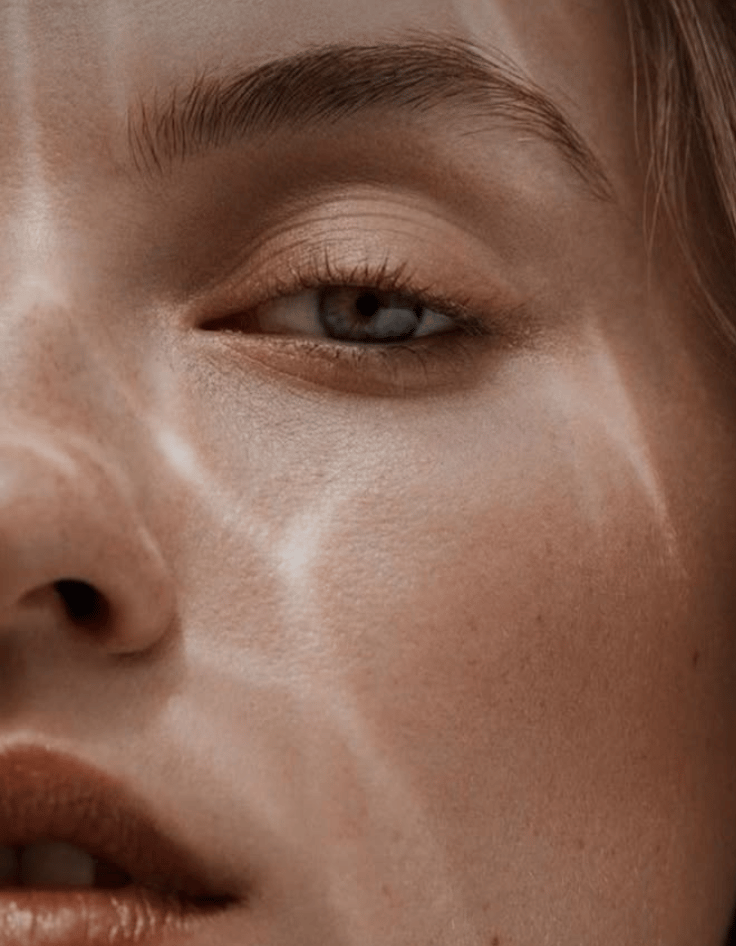
Upper Eyelid Surgery Before/After
Breast Augmentation
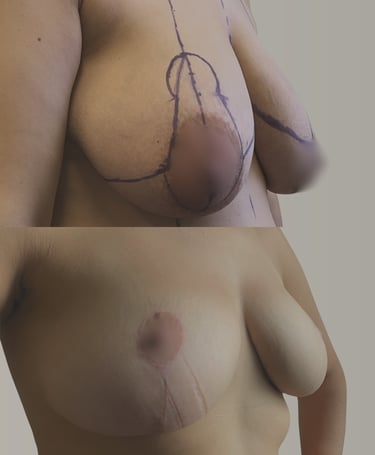
Breast Augmentation
Breast Augmentation
Upper Eyelid Surgery FAQs by Plastic Surgeon Žygimantas Mačys
01 | I don’t want people to know I’ve had eye lid surgery, will it be obvious?
Once your blepharoplasty scars have healed, there should be no visible signs that you have had eye lid surgery. The natural shape of your eyes usually remains unchanged, helping the results blend seamlessly with your facial features. Most patients find that people simply notice they look more rested or refreshed. Our techniques focus on subtle rejuvenation rather than obvious alteration. You can feel confident that your results will look discreet and natural.
02 | Would you advise me to have a brow lift at the same time as blepharoplasty?
Every patient’s needs are different, and the decision depends on the improvements you hope to achieve. During your consultation, we will examine your upper face and eyelids to determine whether combining a brow lift with blepharoplasty would give the best overall result. Some patients benefit from treating both areas at once, while others only need eyelid surgery. We will provide personalised advice and guidance tailored to your goals. My aim is always to recommend the safest and most effective approach.
03 | Can eye lid surgery completely remove under eye bags?
Eye lid surgery can significantly rejuvenate the under-eye area, but it cannot completely remove under eye bags in every case. The goal is to soften, smooth, and refresh the appearance rather than erase all signs of ageing. During your free consultation, we will assess your concerns and explain what level of improvement blepharoplasty can realistically achieve. Each patient’s anatomy and skin quality influence the final outcome. We will give you clear, honest guidance on what results you can expect.
04 | Will I look natural after eyelid surgery?
Yes, my priority is always to create a natural look. Eyelid surgery is designed to refresh your eyes so you appear like a more rejuvenated version of yourself. I avoid overcorrection and aim for subtle, harmonious improvement. During your consultation, I will discuss realistic results to ensure your expectations align with what blepharoplasty can achieve. Patients generally find the final outcome blends beautifully with their natural features.
05 | Am I a good candidate for eyelid surgery?
To determine whether you are a good candidate for eyelid surgery, you will need to attend an initial consultation. During this consultation, we will assess your eyes, review your concerns, and discuss what you hope to achieve. You should be physically fit, psychologically stable, and have realistic expectations. Most blepharoplasty patients are 35+, though younger individuals with hereditary droopy or baggy eyelids may also benefit. Excess skin, muscle, or underlying fat can be removed, and if only fat needs addressing, a transconjunctival blepharoplasty may be recommended.
06 | Will I be awake during eyelid surgery?
Lower lid surgery typically requires a general anaesthetic, while upper lid surgery is usually performed using a local anaesthetic. With local anaesthetic, the area around your eyes will be numbed, and oral or intravenous sedatives help you feel relaxed and comfortable. You will be awake but should not feel pain, although some tugging or mild pressure may be noticeable. Surgery usually takes one to three hours, depending on what is being treated. When both eyelids and the undereye area are operated on, the upper lids are normally completed first before addressing the lower lids.
Considering Upper Eyelid Surgery in Manchester, UK?
Book your free consultation with me at Transform Clinic.